

Blog
Fire Safety Plans for Ships: Where Compliance Meets Real Safety at Sea

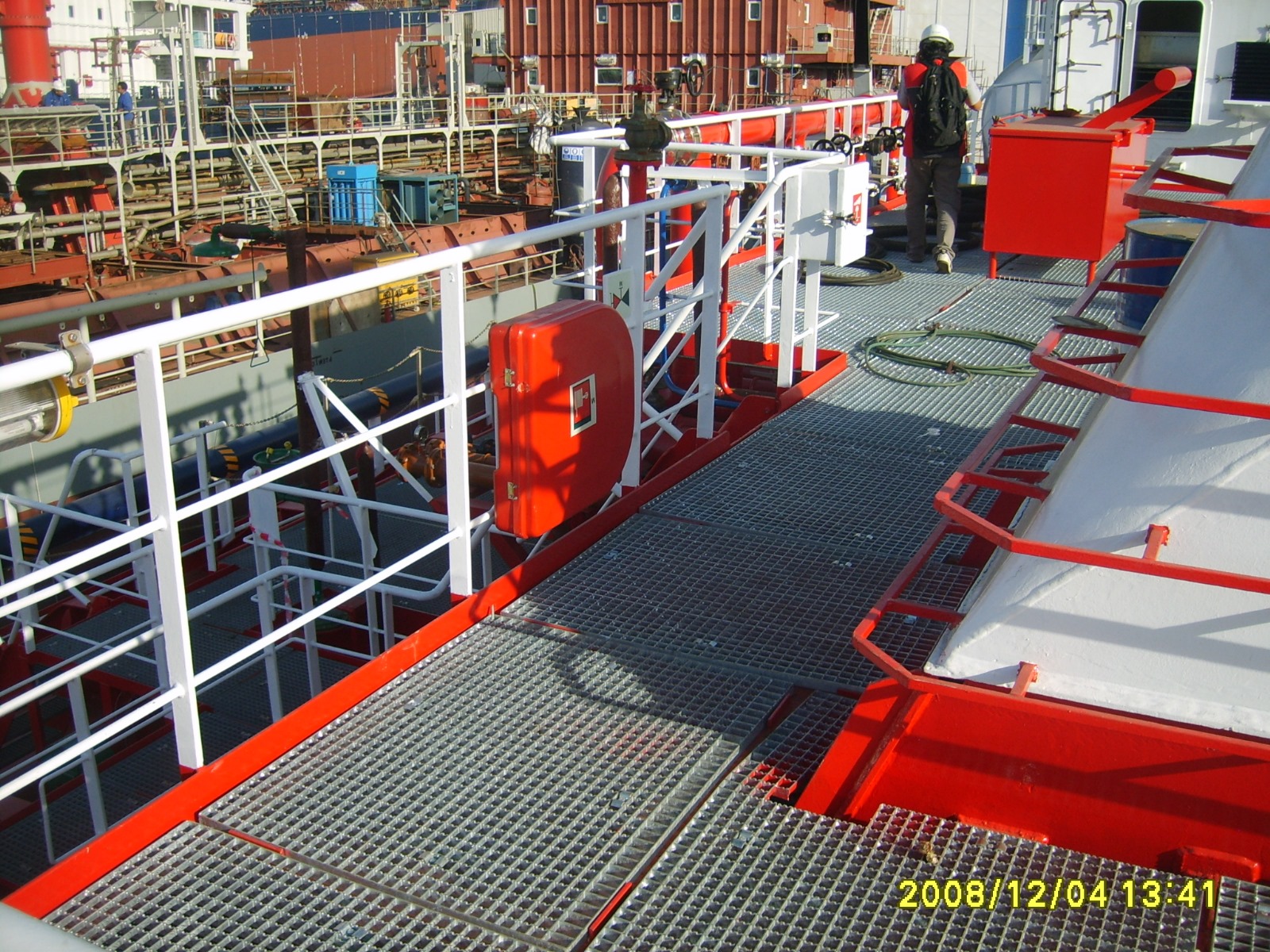
A vessel can be perfectly engineered and beautifully outfitted, yet a single unclear escape route or missing symbol on a drawing can turn an incident into a disaster. Fire & Safety plans are the layer that connects regulations, engineering and the crew’s ability to react in seconds.
Why Fire & Safety Plans Matter More Than Ever
Today’s naval and commercial ships operate under increasingly complex regulations: IMO, SOLAS, ILO and LSA codes, in addition to the individual rules of classification societies such as BV, ABS, DNV and Türk Loydu. Fire & Safety plans sit at the intersection of all these requirements.
These drawings are not just paperwork for an approval file. They are the reference point the crew turns to during drills, audits and, most critically, real emergencies. A well-designed plan helps people understand the vessel quickly – even if they joined the ship yesterday.
What Is Included in a Fire & Safety Plan Package?
A complete Fire & Safety documentation set is usually built around four core elements.
1. Fire Control Plans (FCP)
The Fire Control Plan is the backbone of the package. It maps how the vessel deals with fire:
- Location and type of firefighting equipment (extinguishers, hydrants, monitors, hose reels).
- Fixed extinguishing systems such as CO₂, foam or water mist, with clearly shown protected spaces.
- Fire zones, bulkheads and doors, including control and indication points.
- Escape routes, stairways, emergency exits and muster stations.
When these elements are presented with the right symbols, scales and layers, the plan becomes an intuitive “map” of the ship’s fire safety strategy – and meets the detailed layout expectations of SOLAS and class rules.
2. Life-Saving Appliance (LSA) Plans
LSA drawings focus on how people get off the vessel safely and efficiently. A compliant plan shows:
- The arrangement of liferafts, lifeboats and rescue boats.
- Embarkation and muster stations with clear access routes.
- Storage positions of lifejackets, immersion suits and throw-over devices.
- Launching appliances and associated equipment, aligned with LSA Code requirements.
For shipowners and yards, a precise LSA layout reduces last-minute modifications at the quay and shortens the path to final flag and class approval.
3. Safety Signage & Legend Sheets
A powerful plan is useless if the symbols are inconsistent or unclear. Legend sheets standardise:
- Fire and emergency symbols according to IMO resolution A.952(23) and related standards.
- Colour codes for zones, structural elements and escape paths.
- Special notations for restricted areas, hazardous zones and control stations.
Consistent legends make it easier for inspectors, crew and shipyard teams to read the plans without constant explanation – especially when multinational crews are involved.
4. Approval-Ready Documentation
Beyond the drawings themselves, a professional Fire & Safety package includes the documentation framework that makes plan approval smoother:
- Clean, layered CAD and PDF outputs adapted to flag state and class templates.
- Revision control and change tracking so updates remain transparent over the vessel’s life.
- Structured responses to class comments until final approval is obtained.
This is where engineering experience matters. When the plan designer understands how surveyors think and what they expect, many comments are prevented before they are even written.
From Ship Concept to Approved Plan: How the Process Works
For newbuilds and conversions, Fire & Safety documentation should develop in parallel with the general arrangement, machinery layout and piping diagrams. A typical workflow includes:
- Data collection – general arrangement, system diagrams, equipment lists and class notations.
- Preliminary zoning – defining fire zones, escape routes and preliminary LSA positions.
- Detailed plan development – placing equipment, refining routes and applying symbols in CAD.
- Internal review – checking consistency with SOLAS, IMO, ILO and the chosen class society rules.
- Submission & comment handling – integrating class feedback, documenting changes and closing comments.
When this process is managed carefully, the vessel spends less time in the “approval loop” and more time progressing through construction, harbour acceptance tests (HAT) and sea trials (SAT).
Common Pitfalls in Fire & Safety Plans
Even experienced teams can run into avoidable issues. Some of the most frequent problems include:
- Inconsistent symbol use between decks or between Fire Control and LSA plans.
- Missing coordination with piping, ventilation or electrical layouts, leading to overlaps or clashes.
- Incorrect or incomplete escape routes, especially after late layout changes.
- Plans updated on board without corresponding updates in the official documentation set.
For shipowners, these issues translate into extra comments from class, additional yard work, and in the worst case, delays to delivery or flag certification.
How Kairosa Approaches Fire & Safety Plans
At Kairosa, Fire & Safety plan work is not treated as a last step in the documentation chain. It is integrated with the wider engineering picture: fire systems, machinery spaces, ventilation, power distribution and outfit.
With more than 15 years of experience in ship system engineering and plan approval — including projects such as MOSHIP, seismic research vessels, POWERSHIP units, yachts and tankers — the focus is always on three things:
- Technical accuracy – every symbol, zone and route is based on real system data.
- Layout clarity – the crew can understand the plan quickly, even under stress.
- Approval readiness – drawings are prepared with flag and class expectations in mind from day one.
The result is a set of Fire Control and LSA plans that support safe operations, satisfy surveyors and give shipowners confidence that their vessels are prepared for both inspections and real incidents.
Safety at Sea Starts on the Drawing Board
A well-built Fire & Safety plan will hopefully never be used in a real emergency — but if that day comes, seconds count. The clarity of a deck layout, the visibility of an escape route, or the precise symbol for a CO₂ station can make a measurable difference.
Investing in high-quality Fire Control and LSA plans is therefore not only a regulatory obligation; it is one of the most direct ways to protect people, assets and reputation at sea. With the right engineering partner, you gain documentation that is clear for the crew today and still accurate many years into the vessel’s service life.